
Partial Knee Replacement
Home - Partial Knee Replacement
Get In Touch Us Today
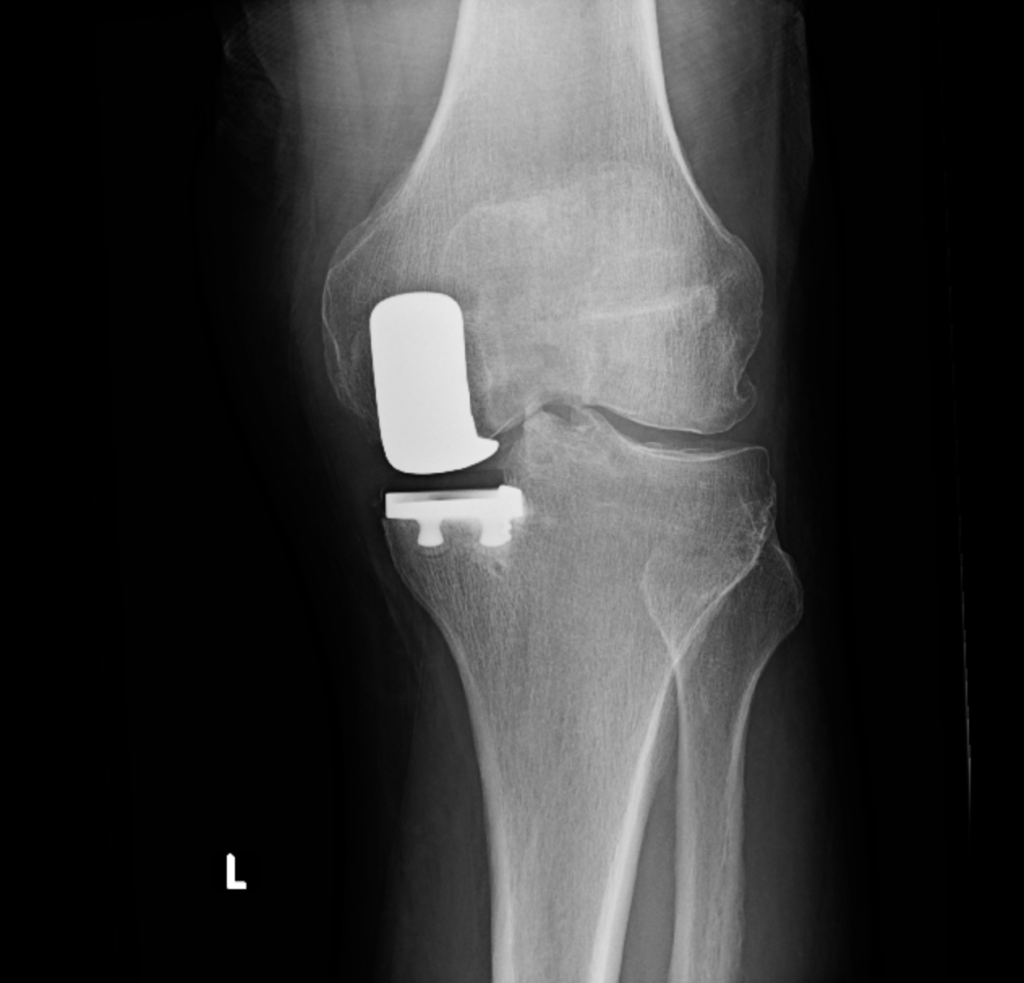
Solution for Active Life
Partial knee replacement can be an excellent option for carefully selected patients with arthritis limited to one part of the knee. Because it preserves more of your natural knee, many patients experience a more natural-feeling knee and may return to activities sooner, with less postoperative pain and a faster recovery.
However, not everyone is a candidate for partial knee replacement. The condition of the other compartments of the knee, ligament stability, alignment, activity level, and overall knee function all play an important role. Some patients may have a higher risk of failure with partial replacement based on available clinical data, making total knee replacement a better option.
In appropriately selected patients, partial knee replacement can provide a natural-feeling knee and allow continued participation in activities such as walking on uneven ground, hiking, and climbing, within reasonable limits. Ultimately, the decision is made together through careful evaluation and shared decision-making, balancing the potential benefits and risks to determine whether partial or total knee replacement is right for you.
How to Prepare for Partial Knee Replacement
Preparing for partial knee replacement involves more than simply getting ready for the day of surgery. Before surgery, make sure you have discussed your health with your primary care physician and, if applicable, your cardiologist or nephrologist. Medical evaluation, physical preparation, home arrangements, medication planning, and understanding your recovery can all help you feel more prepared for the procedure. You should be actively walking and doing your knee exercises. Going in with strong muscles around the knee, including the hamstrings and quadriceps, is very important. You should also have strong core muscles. Flexibility in your knee joint before surgery helps ensure that you have an excellent range of motion after knee replacement as well.
What Should You Do Before Partial Knee Replacement?
Partial knee replacement is generally considered for carefully selected patients whose arthritis or damage is limited to a specific compartment of the knee. Dr. Srivastava will evaluate your knee condition, alignment, ligament stability, activity level, and other factors before determining whether partial knee replacement is appropriate.
Before surgery, your preparation may include:
- Completing medical clearance
- Reviewing your medications
- Preparing for physical therapy
- Following recommended exercises
- Preparing your home
- Arranging transportation
- Planning for postoperative assistance
- Following nutrition and lifestyle recommendations
- Understanding your recovery plan
Learning what to expect ahead of time can help you organize your recovery and know what questions to discuss with your healthcare team.
Partial Knee Replacement Preparation Checklist
- Complete Your Medical Clearance
Before partial knee replacement, Dr. Srivastava may recommend a preoperative medical evaluation. Based on your health history, this may include lab testing, a medication review, an anesthesia evaluation, or clearance from another healthcare provider. Tell your medical team about any health conditions, previous surgeries, allergies, medications, vitamins, and supplements you take. If additional clearance is needed, complete it before your procedure so your surgical team has the information needed to plan your care.
- Prepare Physically Before Surgery
Before surgery, Dr. Srivastava or your physical therapist may recommend specific exercises, often referred to as “PreHab.” These exercises can help prepare your body for recovery while keeping you within the limits recommended by your healthcare team. Check with Dr. Srivastava or your physical therapist before starting any exercises, especially if knee pain or limited mobility affects your activity. Understanding your physical therapy plan beforehand can also help you know what to expect after surgery.
- Review Your Medications With Dr. Srivastava
Before partial knee replacement, make sure your surgical team knows about all medications and supplements you are taking.
This includes:
- Prescription medications
- Over-the-counter medications
- Vitamins
- Herbal supplements
- Blood-thinning medications
Your healthcare team will tell you if any medication needs to be adjusted or temporarily stopped before surgery. Do not stop or change any medication on your own. Follow the specific instructions provided by Dr. Srivastava or your surgical team.
- Prepare Your Home for Recovery
Preparing your home before surgery can make your recovery more convenient, particularly during the early period when walking and mobility may be limited.
Consider:
- Removing loose rugs and clutter from walking areas
- Keeping frequently used items within easy reach
- Creating a comfortable resting area
- Organizing your bedroom and bathroom
- Making frequently used supplies easy to access
- Arranging recommended mobility equipment
- Considering bathroom safety equipment if advised
You may also want to organize commonly used items at waist or shoulder height so you do not need to bend or reach frequently.
- Arrange Transportation and Support
Arrange transportation before your surgery date and ask your surgical team about any specific post-procedure transportation requirements. Depending on your discharge plan and personal situation, you may also need someone to help at home during the early stages of recovery. If you live alone, discuss your home setup with your healthcare team before surgery to determine whether additional support is needed.
- Focus on Your Overall Health
Your overall health plays an important role in preparing for surgery. Follow your healthcare team’s instructions for managing existing medical conditions, especially diabetes or other chronic conditions. Blood sugar should be well controlled before surgery because elevated blood sugar can increase the risk of infection. If you smoke, talk with your healthcare team about quitting before surgery, as smoking can increase the risk of infection, interfere with soft-tissue healing, and lead to other complications. Maintaining a balanced diet and following your healthcare team’s nutrition recommendations can also support your preparation and recovery.
Questions to Ask Your Orthopedic Surgeon Before Surgery
Your preoperative appointment is a good opportunity to ask questions about your procedure and recovery.
Consider asking:
- Why is partial knee replacement appropriate for my condition?
- What should I do to prepare for surgery?
- Which medications should I discuss before surgery?
- Do I need medical clearance?
- Should I complete physical therapy before surgery?
- What equipment should I have ready at home?
- How soon will I begin walking after surgery?
- What will my physical therapy schedule look like?
- When can I return to normal daily activities?
- When can I drive after surgery?
Writing down your questions before your appointment can help ensure you discuss the topics that are important to you.
How Can You Prepare Your Home for Partial Knee Replacement?
A few simple changes can make your home easier to navigate during recovery.
Keep walking paths clear and remove objects that could create a tripping hazard. Place frequently used items where they can be reached without excessive bending or stretching.
Depending on your needs, your healthcare team may recommend equipment such as a walker, crutches, shower seat, handrails, or other assistive devices.
Your individual requirements will depend on your mobility, home environment, and postoperative instructions.
How Long Does Recovery Take After Partial Knee Replacement?
Recovery after partial knee replacement is a slow and gradual process, and each patient heals at a different pace. Most people begin walking on the same day as surgery and are likely to go home the same day, depending on their overall health, pain control, mobility, and discharge plan.
Physical therapy, home exercises, and early walking are important parts of recovery. Patients are encouraged to walk regularly, perform prescribed knee exercises, and do ankle range-of-motion exercises, often called ankle pumps, to promote calf circulation and help reduce the risk of blood clots or DVT. Consistent effort with therapy and home exercise is one of the most important factors in achieving a successful outcome.
Many people are able to drive within about two to three weeks after surgery, although this depends on which leg was operated on, pain level, strength, reaction time, and whether you are still taking pain medication. Most people can return to normal activities of daily living by about six weeks.
Patients whose work requires standing for eight to ten hours a day may need closer to three months before returning comfortably to that level of activity. Healing continues beyond the early recovery period, with ongoing improvement for up to a year. Most patients achieve their complete recovery by about one year after surgery.
Is Partial Knee Replacement Right for Everyone?
Partial knee replacement is not appropriate for every patient with knee arthritis. In general, the arthritis must be limited to one area, or compartment, of the knee. Most commonly, this involves the inner part of the knee, known as the medial compartment. In some cases, partial knee replacement may also be considered for arthritis on the outer part of the knee, known as the lateral compartment.
Patients must also have appropriate knee alignment without significant deformity, and the knee ligaments must be intact and stable. Dr. Srivastava will evaluate the location and extent of arthritis, ligament stability, knee alignment, activity level, and the condition of the remaining parts of the knee before determining whether partial knee replacement is the right option.
For carefully selected patients, partial knee replacement may be an appropriate treatment choice. However, if arthritis affects multiple areas of the knee, if there is significant deformity, or if the ligaments are not stable, another treatment approach such as total knee replacement or non-surgical care may be recommended.
A personalized evaluation is necessary to determine which treatment is most appropriate for your knee condition.
Frequently Asked Questions
What is the purpose of partial knee replacement surgery?
Partial knee replacement is performed to replace only the damaged portion of the knee joint while preserving the healthy parts of the knee. The goal is to help relieve pain and improve function when arthritis is limited to one compartment and significantly affects a person’s quality of life.
How do I know if I need a partial knee replacement?
- If you have persistent knee pain, stiffness, limited mobility, or difficulty with everyday activities despite non-surgical treatment, partial knee replacement may be considered if the arthritis is limited to one area of the knee and the ligaments remain stable. Dr. Srivastava can evaluate your knee to determine whether partial knee replacement is appropriate.
Is partial knee replacement the same as total knee replacement?
No. The knee can be thought of as having three main compartments: the inner side, called the medial compartment; the outer side, called the lateral compartment; and the front of the knee, called the patellofemoral compartment. Total knee replacement treats all three compartments, while partial knee replacement treats only the damaged compartment.
Partial knee replacement most commonly replaces the inner, or medial, compartment, but it may also be performed for the outer, or lateral, compartment, or the front, or patellofemoral, compartment in carefully selected patients. Because more of the natural knee is preserved, patients must meet specific clinical criteria, including arthritis limited to one compartment, stable ligaments, and no significant deformity.
How long does it take to recover from partial knee replacement?
Recovery after partial knee replacement is gradual and varies by patient. Most people begin walking the same day as surgery, return to many routine daily activities by about six weeks, and continue improving for several months. Patients with physically demanding work, especially jobs that require standing for eight to ten hours a day, may need closer to three months before returning comfortably to that level of activity. Healing can continue for up to a year, and many patients reach complete recovery by about one year.
Can I walk after partial knee replacement surgery?
Early walking is an important part of recovery after partial knee replacement. Many patients begin standing and walking with assistance on the same day as surgery. Walking should be increased gradually based on comfort, balance, strength, and Dr. Srivastava’s instructions. Some patients may use a walker at first, then transition to a cane or walk without an assistive device as strength and confidence improve.
What are client's says about us
EXCELLENTTrustindex verifies that the original source of the review is Google. Posted on GoogleTrustindex verifies that the original source of the review is Google. Pleasant professional thoroughPosted on GoogleTrustindex verifies that the original source of the review is Google. Very professionalPosted on GoogleTrustindex verifies that the original source of the review is Google. Posted on GoogleTrustindex verifies that the original source of the review is Google. explained choices well and pros and cons.Posted on GoogleTrustindex verifies that the original source of the review is Google. Efficient and extremely good bedside manor. Positive experience.Posted on GoogleTrustindex verifies that the original source of the review is Google. Professional friendly office.Posted on GoogleTrustindex verifies that the original source of the review is Google. Posted on GoogleTrustindex verifies that the original source of the review is Google. Posted on GoogleTrustindex verifies that the original source of the review is Google. I felt so much better after talking to him…He’s sooo nice..